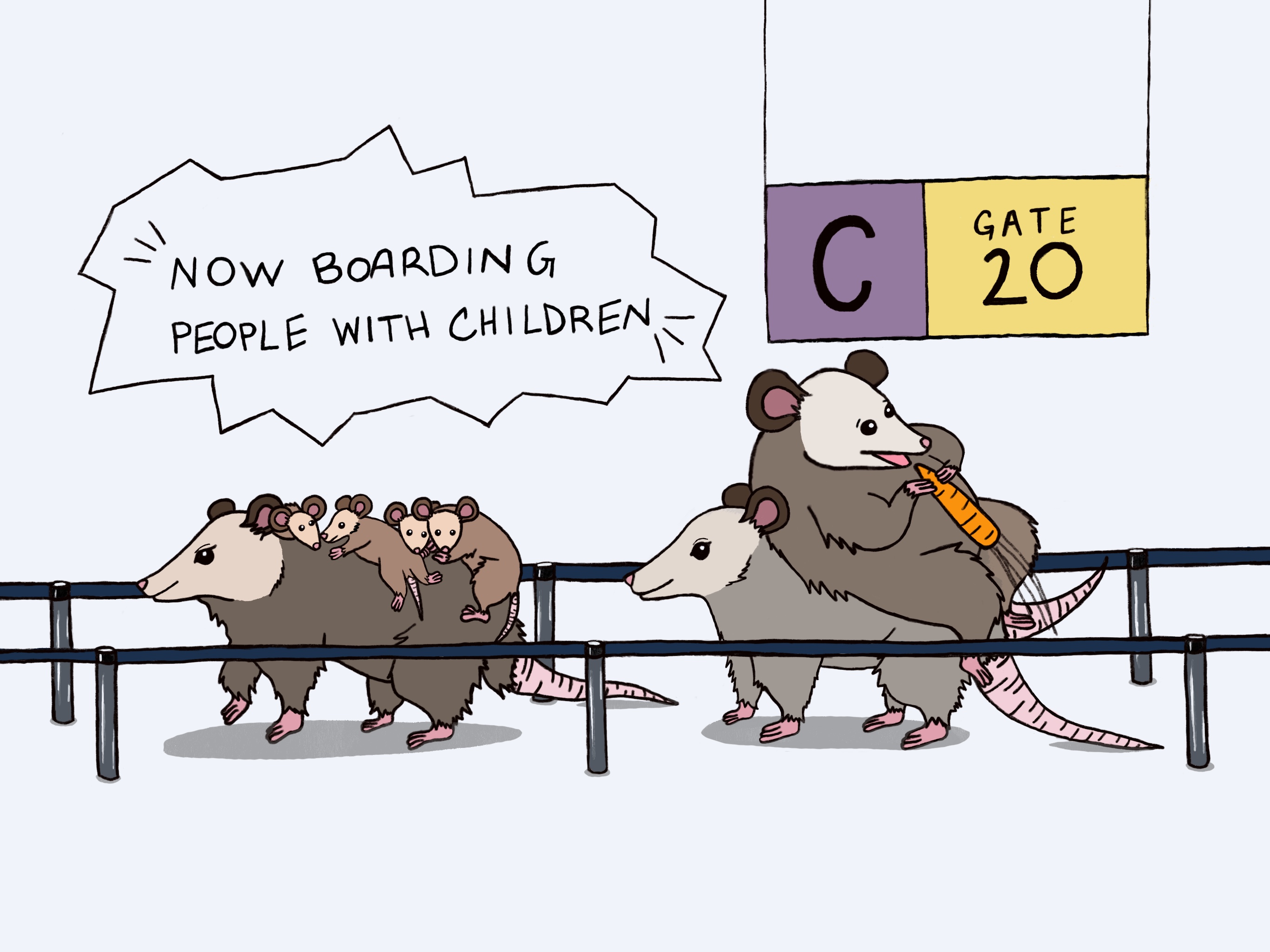
I’m a homebody. If I had a spirit animal, it’d be the opossum. It’s unfussy and eco-friendly in a garbage-eating and low rabies risk way. When we find a place with food and shelter, we stay—unless, of course, something disrupts our nirvana.
And that something would be my husband, who has a travel bug.
Now the son, 25, shows signs too. He’s heading to the Amazon to work with endangered animals. The husband itches to go.
“It’s not like we can follow him around.” I pointed out the obvious.
“The boy might need us,” he said, knowing exactly how to rope me in. Having never properly cut the umbilical cord, I couldn’t say no.
Destination- and time-sensitive, travel medicine is complicated. The more beautiful and exotic the locale—like the Amazon and African savannas—the bigger, itchier, and scarier the medical needs. While the husband looked for the perfect rain jacket, I was preoccupied with a sure rendezvous with the deadliest animal on earth—mosquitoes.
Mosquitoes transmit many diseases. Parts of Africa or South America require a unique vaccine for entry—it’s not COVID—it’s yellow fever.
That means if you don’t have the little yellow card that’s proof of the yellow fever vaccine, you might not be able to enter these countries. Some airports offer vaccines on site. There are medical exemptions but no cultural or religion ones.
Yellow fever is a viral infection that’s transmitted by mosquitos. Most have mild symptoms. But severe cases suffer bone crushing pain and bloody vomit and can lead to liver failure—leaving its victims yellow from jaundice—hence the name.
This disease is endemic to parts of Africa and Central and South America. WHO and partners have a successful and massive vaccination program to contain this disease and support vaccine mandate.
To prepare:
- Plan weeks ahead.
To find out if you need weird vaccines, check CDC first. It has an excellent country-specific website. While most vaccines don’t need a doctor’s prescription, knowing exactly what you need is tricky.
For yellow fever, ideally you should be vaccinated at least 10 days before departure. - Book a travel clinic.
Yellow fever vaccines are only given in certified clinics (see CDC website for a list). Most require onsite payment.
Consultation fees range from $40 to $300. The yellow fever vaccine costs $200 to $400. One shot provides adequate lifelong protection for most. - And please! Pretty please! Make sure you and your (grownup) kids are updated on routine (including childhood) vaccines.
I know I’ve been yammering about yellow fever, but I’m also scared of measles, hepatitis A, polio…all vaccine-preventable diseases. Worldwide, measles kills close to 95 000 per year, far more than yellow fever. - Not sure what vaccines you’ve received?
You can request a record for free from your state Department of Health. Our son’s record includes all his childhood vaccines, rabies, yellow fever, COVID, flu, etc. and their dates of administration. This record comes in handy for school, work, and travel.
Now the fun begins.
One month to go, I found our yellow cards from our trip to Uganda. But I found that Peru requires a passport expiration date 6 months from the date of entry. I rush-applied for a new passport.
Two weeks to go, we finished the typhoid vaccine series.
Three days to go, our flights were canceled because a Boeing 737-9 MAX had a problem keeping its door shut midflight. Rebooked trip.
Two days to go, start malaria prophylaxis.
Day of travel, channeling my inner opossum, we may hate traveling, but we adapt well. Who knows: the boy might need me.